One in three New Hampshire families can’t afford to live here. Most of them work.
They’re not in the poverty statistics. They earn too much to qualify for help and too little to get by. Researchers call them ALICE — Asset Limited, Income Constrained, Employed.
35% of New Hampshire households live below the ALICE Threshold. The largest share — 29% — are working households above the poverty line and ineligible for most aid.
United For ALICE, 2024 dataThe measure New Hampshire doesn’t use
ALICE is a national research standard for counting households that work and still can’t afford where they live. It’s used in more than half the states — including Maine and Connecticut — to set policy, target aid, and decide who qualifies for help.
New Hampshire is not one of them. Not now, and not at any point we can document going back to 2014.
The families are here. The measurement that would make them visible to the people writing the budget is not.
I’ve asked people at state agencies and support organizations what the ALICE Wall is. Mostly I get a blank look — while a third of the households they serve are stuck behind it.
New Hampshire also reports one of the lowest poverty rates in the country. Both things are true at once, and that’s the problem: we’re measuring the wrong wall.
United For ALICE, ALICE Movement state list, verified August 2026We use the ALICE framework. We’re not a United For ALICE partner and we don’t speak for them. We’re a New Hampshire operation applying a national standard to a state that hasn’t adopted it.
Why it’s called 603 Circle
There’s a wall in New Hampshire that most people never see. It’s the line where a household earns too much to qualify for help and not enough to cover what it costs to live here. Above it, you’re fine. Below it, there’s a program. Caught on it, you work full time and the month still doesn’t close.
What almost nobody connects is that the same wall is a ceiling on local business.
Families get pushed off support the moment they earn slightly more, and land further back than before.
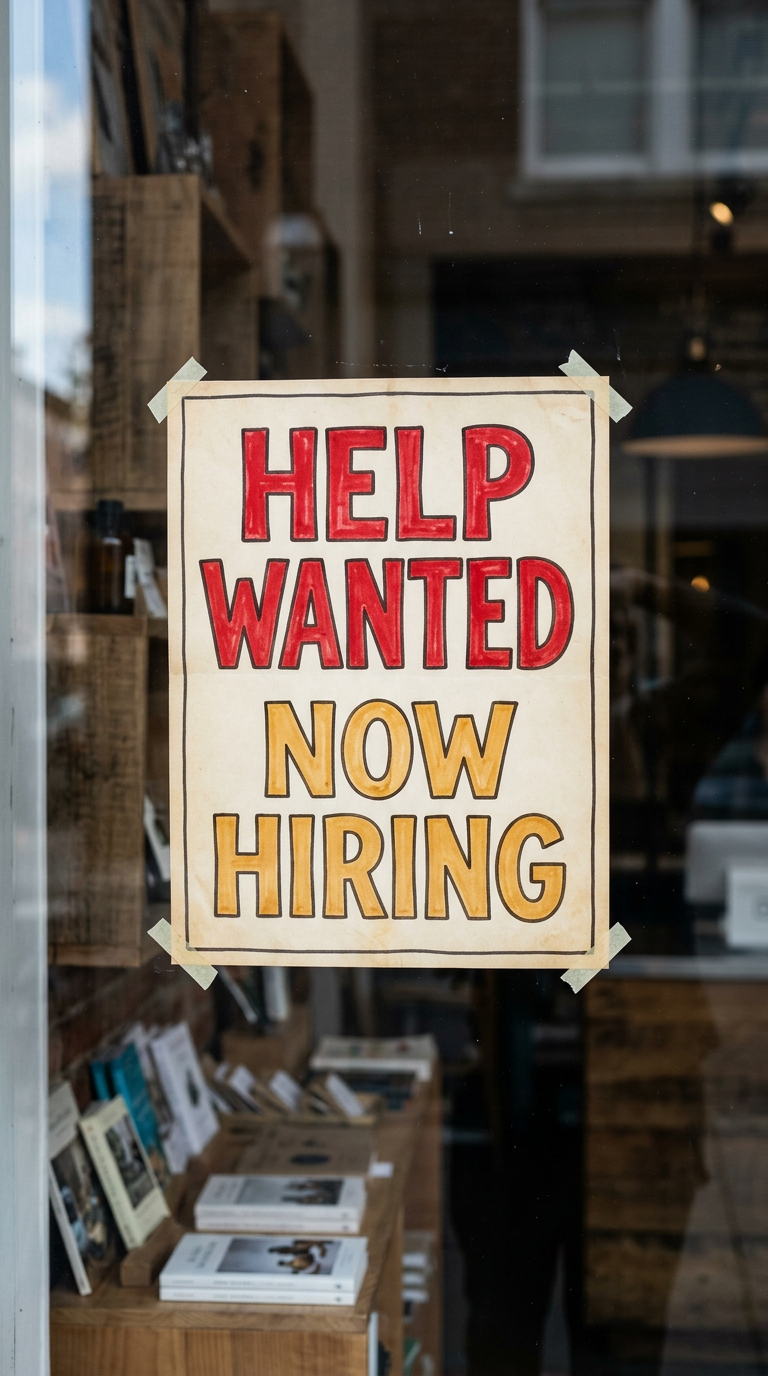
Local businesses — 99% of New Hampshire businesses — can’t find or keep workers who can’t afford to live near the job. Nearly three in four New Hampshire business leaders say a lack of qualified workers is holding back their growth.
Property taxpayers cover what the state doesn’t. Local taxpayers pay 83% of New Hampshire’s special education costs — $815.6 million of $978 million.
The wall doesn’t have one victim. It has a circle of them, and every resident is somewhere on it.

That’s the name. Everyone in New Hampshire is on this circle, whether they know it or not.
Strong Communities = Strong Commerce.Not a slogan. A description of the loop.

The Founder’s Question
They told me my family had fallen between the cracks. Unfortunate. A one-off. Then I looked closer and found the same space with the same families in it, over and over. One family is unfortunate. A pattern is a design.
— Mark, founder of 603 Circle
Four things, in order
Most advocacy starts with an agenda and looks for evidence to support it. We start with what happened to a family and follow it wherever it goes.
We collect the accounts
Directly from the families living failed systems. Not surveys. Not sentiment. What happened, to whom, and what it cost.
Stories become patterns
One family missing a service is a bad week. Forty families missing the same service is a policy failure with a name.
We bring in business
We use the ALICE framework to show New Hampshire’s businesses that this is their problem too. They are the ally this fight has never had.
We take it to both at once
The evidence goes to Concord and to the business community at the same time, because neither one moves alone.
We don’t arrive with an answer. The families set the agenda.
What we’ve found
Eight cracks so far, each one a place where New Hampshire’s own rankings and its households disagree. Every figure is sourced, and we publish the numbers we rejected alongside the ones we kept.
- The Scissor — It costs more to raise a disabled child, and the caregiving those costs demand is exactly what takes the parent out of work. →
- The Ruler — New Hampshire is called the lowest-poverty state, measured with a ruler that can’t see the working poor. →
- The Missing Rung — Record home values are celebrated while the families trying to get on the ladder are priced off it. →
- The Vanishing Slot — Childcare ranks among the best in the country, and the actual openings aren’t there. →
- The Drain — Best-for-business, while the workers and customers business depends on leave the state. →
- The ‘Healthy’ Children — #1 in the nation for child well-being, in a state where a third of the families those children live in can’t afford the basics. →
- The Cost of Love — No waiting list for home care. All seven agencies say there’s no one to send. →
- The Missing Meal — The official count of hungry New Hampshire children is frozen at 2024, and the federal survey behind it was shut down in 2025. →
Where we stand
Are we political? Not really. We’re pro New Hampshire, pro families, pro business.
We don’t endorse candidates and we don’t take sides. Other groups start with a position and look for numbers to support it. We start with a family and follow the evidence, including when it’s inconvenient.
They’re political groups. We’re a people group.
We publish the figures we rejected. Not just our sources — the numbers we found, checked, and threw out, because they were the wrong vintage, the wrong geography, or couldn’t be traced to a source that would survive a challenge. No advocacy organization does that. It’s the only reason to believe the ones we kept.
Independent by design. No funder sets our agenda and no finding gets buried for being awkward. If something we’ve found helps you make your case, whoever you are, use it. Just use it accurately.
Two ways in
For families
Something happened to yours that shouldn’t have? That’s where every one of these started. You decide how much is public — and the default is that nothing identifying you is published at all.
Tell us what happenedFor businesses, associations and lawmakers
Every finding comes with its primary source, its data year, and a one-page brief. Want the numbers for your town or your district? Ask.
Request a briefing603 Circle’s research is funded by New Hampshire businesses serving the same local economy the research is about. How this gets paid for
From The Blog

They Won’t Officially Count New Hampshire’s Hungry Children Until 2028. They’re Hungry Now.

Choosing to Care Means Choosing to Go Without
Three in Four New Hampshire Employers Can’t Find Workers. The Workers Are Right Here.

Why Your Best Employee Turned Down the Raise